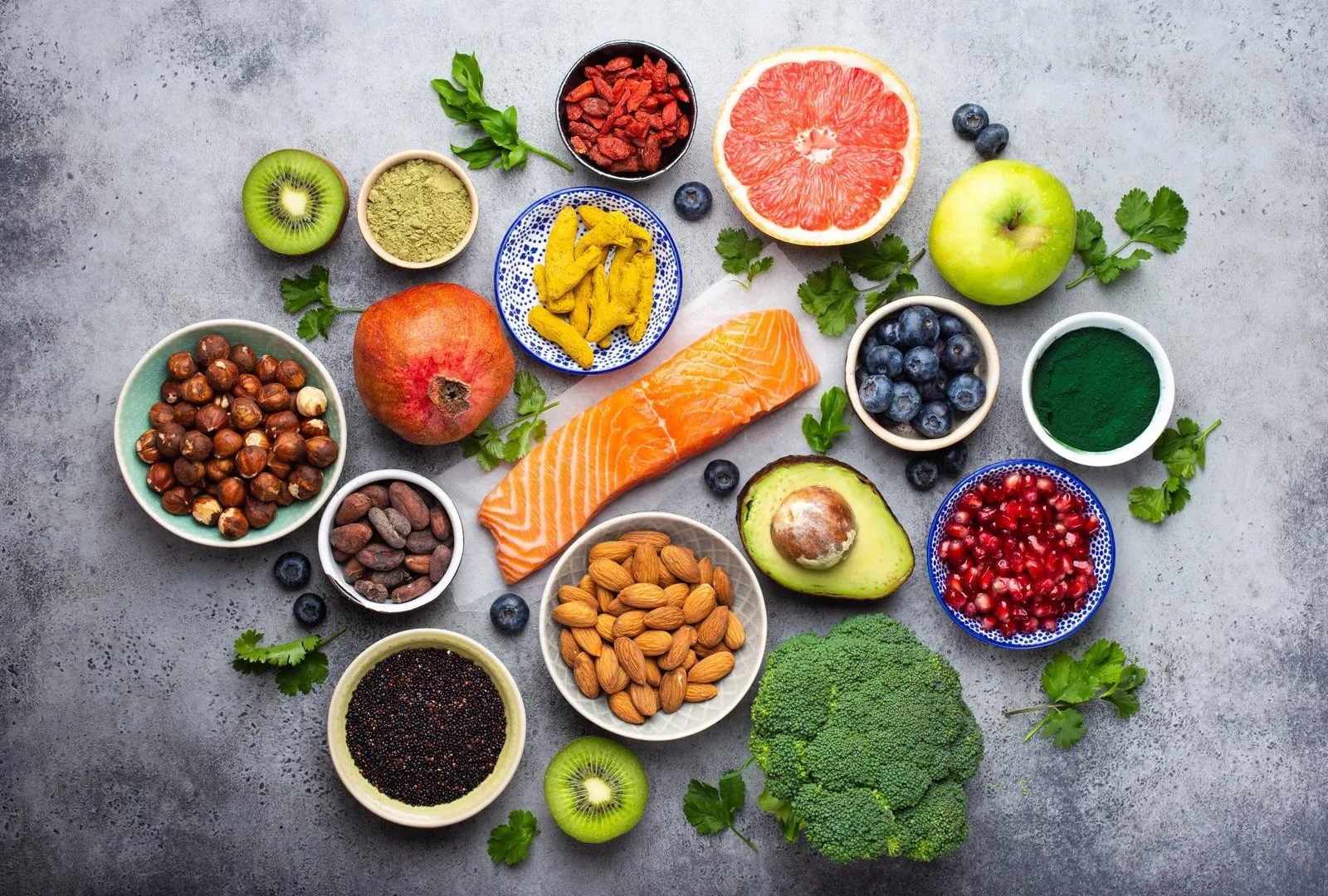
Nutrition is one of the cornerstones of how the body maintains and restores itself after physical activity, stress or the normal demands of daily life. The food and fluid we consume provide the raw materials and energy the body needs to carry out repair, regulate inflammation and replenish what has been used.
Macronutrients
Carbohydrates are the body’s preferred quick-access fuel. After exercise or prolonged activity, muscle and liver glycogen stores become depleted. Consuming carbohydrate-rich foods in the hours following activity helps replenish those stores, which supports energy availability for the next session and normal metabolic function.
Protein supplies amino acids, the building blocks needed for tissue maintenance and repair. The body continuously breaks down and rebuilds proteins in muscle, tendons, ligaments and other tissues. Eating protein regularly throughout the day (especially after activity) provides the amino acids required for these ongoing processes.
Healthy fats play several supportive roles. They contribute to cell membrane structure, aid absorption of fat-soluble vitamins, and serve as a dense energy source for longer-duration demands. Omega-3 fats from whole-food sources (e.g., oily fish) are associated with normal inflammatory regulation.
Micronutrients
Micronutrients act as cofactors in hundreds of recovery-related biochemical reactions:
- Magnesium supports muscle relaxation and energy production pathways
- Zinc contributes to normal immune function and tissue maintenance
- Vitamin C is involved in collagen formation and antioxidant defence
- B-group vitamins help convert food into usable energy
Hydration
Hydration is equally critical. Even mild dehydration can impair concentration, increase perceived effort and slow normal recovery processes. Replacing fluid lost through sweat, breathing and urine (and including electrolyte-containing foods) supports fluid balance.
Practical Nutrition Strategies
Ways to support recovery through nutrition include:
- Eating balanced meals that combine carbohydrate, protein and fat sources
- Including a wide variety of colourful vegetables and fruits for micronutrients and antioxidants
- Timing larger meals or snacks around periods of higher physical demand
- Prioritising whole and minimally processed foods most of the time
- Drinking water consistently throughout the day, and more during/after activity
- Paying attention to hunger and fullness signals rather than rigid rules
Consistency matters more than perfection. Small, sustainable habits repeated daily tend to produce far greater benefits than occasional “perfect” days.
Nutrition is not about magic foods or supplements. It is about giving the body reliable, repeated access to the nutrients and energy it needs to carry out its own natural repair and regulatory processes.